No products in the cart.
Return To Shop
P609123-1
Availability:
0


Availability:
0
| Score | 82 points |
|---|---|
| Taste Notes | Plum, Dark cocoa, Wine |
The Bugisu region is located on the western slopes of Mount Elgon, where smallholder farmers deliver cherries to central
washing stations for fully washed processing. After mechanical depulping, the seeds undergo a fermentation period often
lasting 12 to 24 hours to remove mucilage before being sun-dried on raised beds for up to 14 days. Most Bugisu AA is grown
at high altitudes between 1,600 and 1,900 meters, utilizing nutrient-rich volcanic soil to develop its signature heavy body
and rustic sweetness.
| Origin | Uganda |
|---|---|
| Region | Rwenzori |
| Altitude | 1,400m – 2,200m |
| Producer Type | Various Smallholder Farmers (5,500 farmers, 83% women) |
| Harvest Season | 2024/25 (Main: Sep–Jan, Fly Crop: Mar–May) |
| Processing | Washed |
| Varietals | SL14, SL28, Nyasaland |
| Plant Species | Arabica |
|---|---|
| Post-Harvest Handling | Hand-picked, carefully sorted, wet-processed, and sun-dried on raised beds |
| Bag Type | Grain Pro / Ecotact |
| Certifications | FLO Fairtrade Certified, Organic Certified |
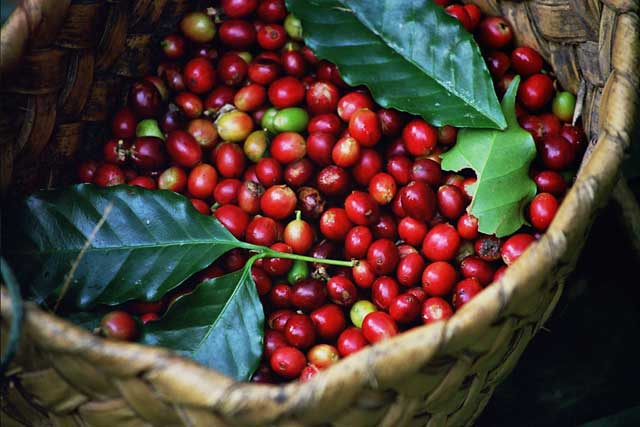
Coffee cultivation in Zambia began in the 1950s when European settlers introduced the crop, focusing initially on commercial production. In the 1970s, the Zambian government, with support from the World Bank and later the UN’s Food and Agriculture Organization (FAO), launched initiatives to diversify the economy beyond copper exports. These projects aimed to promote high-quality coffee cultivation at minimal costs and encouraged smallholder participation to combat rural poverty. By the mid-1980s, Zambia’s coffee production had risen significantly, leading to an annual export quota of 350 metric tons granted by the International Coffee Organization in 1985. Today, Zambia is recognized for its specialty Arabica beans, cultivated primarily in the Northern Province’s high-altitude regions, with ongoing efforts to enhance quality and sustainability in the coffee sector.
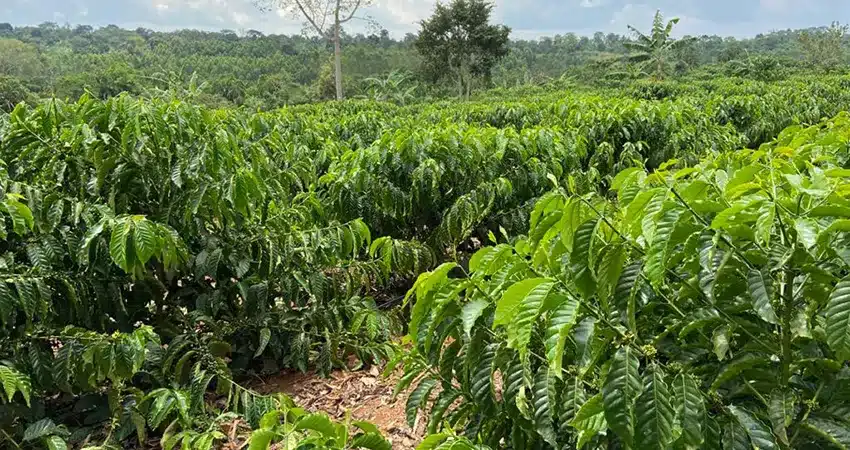
In Zambia’s Northern Province, particularly around the Mafinga Hills, Arabica coffee flourishes at elevations between 1,300 and 1,600 meters above sea level. The region’s fertile soils, cool climate, and consistent rainfall create optimal conditions for coffee cultivation. Farmers primarily grow varieties such as Catimor 129, SL28, and SL34, known for their high quality and value in the specialty coffee market. Processing methods have diversified beyond traditional washed processes to include natural and honey processing, enhancing the flavor profiles of Zambian coffees. Despite challenges, Zambia’s coffee industry shows potential for growth, with efforts focused on improving quality and sustainability.
Consistency is essential in sample roasting, but the timing of the first crack can vary from batch to batch. To ensure optimal results, use this guide to determine the ideal moment to end your roast based on how long it took to reach the first crack.