No products in the cart.
Return To Shop
P610266-1
Availability:


Availability:
| Score | 82 points |
|---|---|
| Taste Notes | Plum, Dark cocoa, Wine |
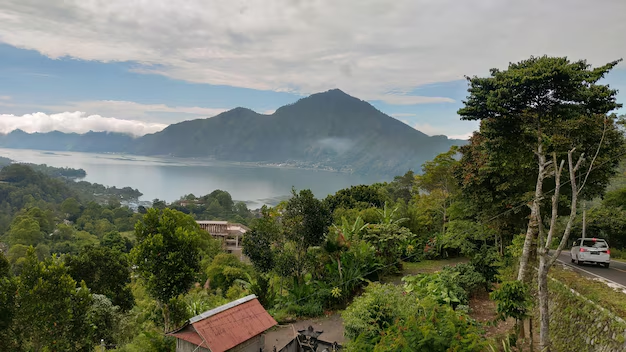
The Bugisu region is located on the western slopes of Mount Elgon, where smallholder farmers deliver cherries to central
washing stations for fully washed processing. After mechanical depulping, the seeds undergo a fermentation period often
lasting 12 to 24 hours to remove mucilage before being sun-dried on raised beds for up to 14 days. Most Bugisu AA is grown
at high altitudes between 1,600 and 1,900 meters, utilizing nutrient-rich volcanic soil to develop its signature heavy body
and rustic sweetness.
| Origin | Uganda |
|---|---|
| Region | Rwenzori |
| Altitude | 1,400m – 2,200m |
| Producer Type | Various Smallholder Farmers (5,500 farmers, 83% women) |
| Harvest Season | 2024/25 (Main: Sep–Jan, Fly Crop: Mar–May) |
| Processing | Washed |
| Varietals | SL14, SL28, Nyasaland |
| Plant Species | Arabica |
|---|---|
| Post-Harvest Handling | Hand-picked, carefully sorted, wet-processed, and sun-dried on raised beds |
| Bag Type | Grain Pro / Ecotact |
| Certifications | FLO Fairtrade Certified, Organic Certified |
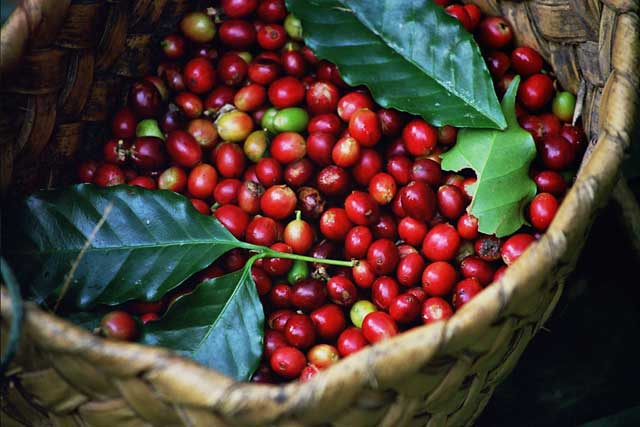
Uganda’s coffee heritage is deeply woven into its landscape and culture. For centuries, wild robusta trees flourished in the country’s rainforests, where local communities chewed the beans for energy and used them in rituals. Coffee’s commercial journey began under British colonial rule, with Arabica introduced to the highlands and robusta cultivated on a larger scale. After independence in 1962, coffee quickly became Uganda’s most valuable export, though political and economic instability posed challenges. A resurgence in the 1990s, fueled by investment and modernization, helped Uganda establish itself as one of Africa’s top coffee producers. Today, the country is known for its rich, full-bodied robusta and high-altitude Arabica, both gaining recognition in the global specialty coffee market.
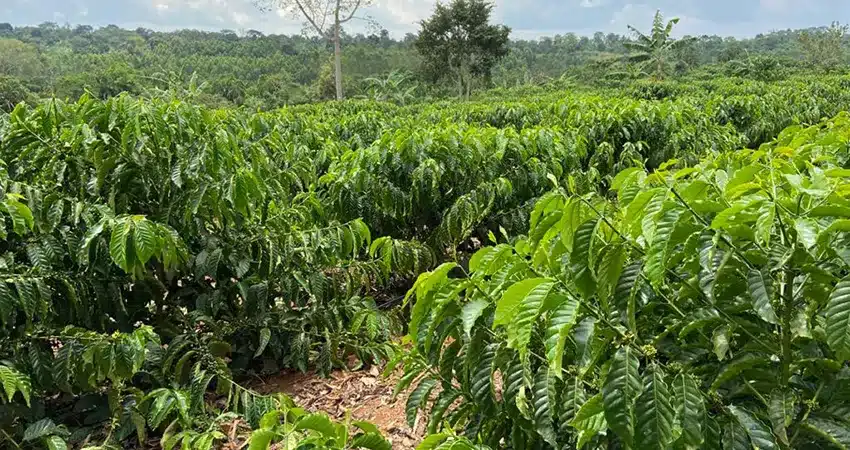
Uganda’s diverse landscape offers excellent conditions for coffee farming, particularly for Arabica varieties, which flourish in the high-altitude regions of Mount Elgon in the east and the Rwenzori Mountains in the west. These elevations, stretching from around 1,300 to 2,300 meters above sea level, create an ideal climate with cool temperatures and nutrient-rich volcanic soils that enhance coffee quality. Ugandan farmers produce both washed and natural Arabica coffees, while innovative processing techniques such as honey processing are becoming increasingly popular. The country cultivates several Arabica strains, including SL14, SL28, and Blue Mountain, yielding specialty-grade beans like AA, AB, and Peaberry, prized for their vibrant flavor profiles and superior quality.
Consistency is essential in sample roasting, but the timing of the first crack can vary from batch to batch. To ensure optimal results, use this guide to determine the ideal moment to end your roast based on how long it took to reach the first crack.