No products in the cart.
Return To Shop
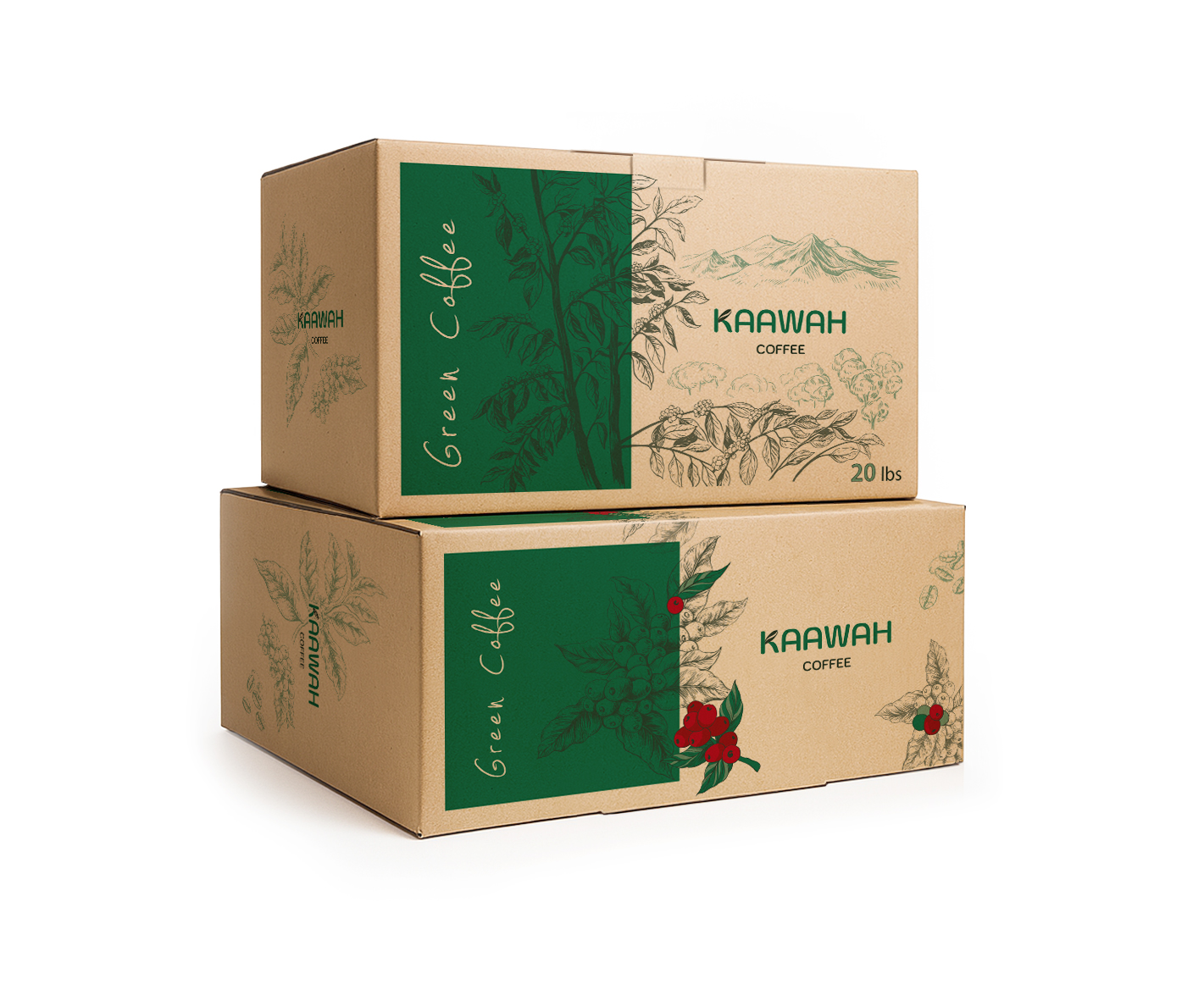
P609391-2
Availability:
0


Availability:
0
| Score | 82 points |
|---|---|
| Taste Notes | Plum, Dark cocoa, Wine |
The Bugisu region is located on the western slopes of Mount Elgon, where smallholder farmers deliver cherries to central
washing stations for fully washed processing. After mechanical depulping, the seeds undergo a fermentation period often
lasting 12 to 24 hours to remove mucilage before being sun-dried on raised beds for up to 14 days. Most Bugisu AA is grown
at high altitudes between 1,600 and 1,900 meters, utilizing nutrient-rich volcanic soil to develop its signature heavy body
and rustic sweetness.
| Origin | Uganda |
|---|---|
| Region | Rwenzori |
| Altitude | 1,400m – 2,200m |
| Producer Type | Various Smallholder Farmers (5,500 farmers, 83% women) |
| Harvest Season | 2024/25 (Main: Sep–Jan, Fly Crop: Mar–May) |
| Processing | Washed |
| Varietals | SL14, SL28, Nyasaland |
| Plant Species | Arabica |
|---|---|
| Post-Harvest Handling | Hand-picked, carefully sorted, wet-processed, and sun-dried on raised beds |
| Bag Type | Grain Pro / Ecotact |
| Certifications | FLO Fairtrade Certified, Organic Certified |
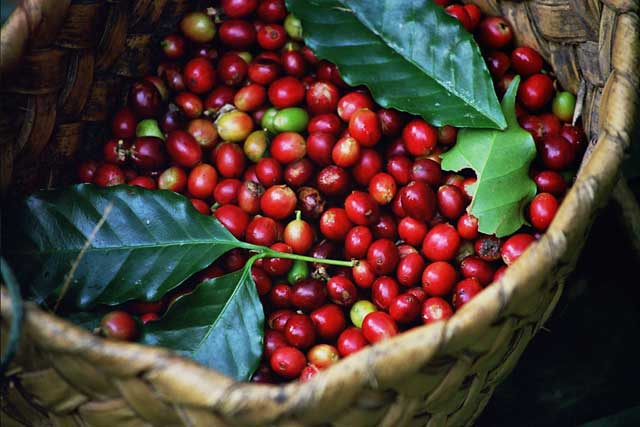
Coffee cultivation in Tanzania dates back to the 16th century, with the Haya people using native Robusta beans for rituals and trade. During German colonial rule in the late 19th century, Arabica coffee was introduced and widely cultivated, particularly around Mount Kilimanjaro. The Kilimanjaro Native Planters’ Association (KNPA), established in 1925, helped smallholder farmers enter the global market. After independence in 1961, government nationalization initially disrupted production, but the industry rebounded in the 1990s with privatization efforts. Today, Tanzania is a key coffee producer, known for its high-quality Arabica and Robusta beans that thrive in its diverse growing regions.
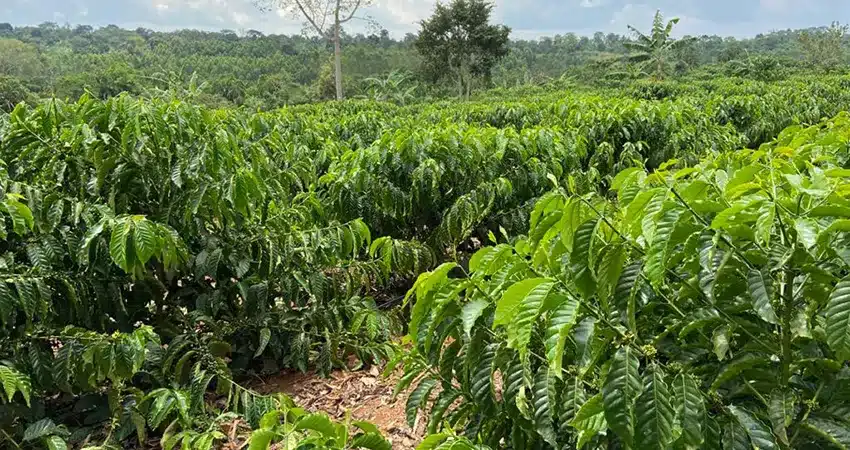
In Tanzania, the best regions for Arabica coffee cultivation are the high-altitude slopes of Mount Kilimanjaro, Mount Meru, and the Mbeya Highlands, with elevations ranging from 1,000 to 2,500 meters. These areas offer cool temperatures and fertile volcanic soils, ideal for high-quality coffee. Farmers produce both washed and natural-processed coffees, with washed processing being more common for clarity and brightness. Tanzania grows SL28, SL34, Bourbon, and Kent varieties, graded by bean size into AA, A, B, and Peaberry (PB). Known for bright acidity, medium body, and fruity or floral notes, Tanzanian coffees are highly regarded in the specialty market.
Consistency is essential in sample roasting, but the timing of the first crack can vary from batch to batch. To ensure optimal results, use this guide to determine the ideal moment to end your roast based on how long it took to reach the first crack.