No products in the cart.
Return To Shop


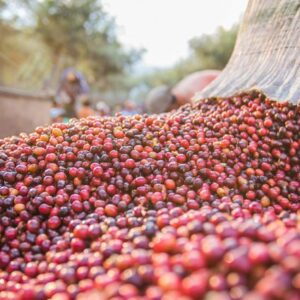

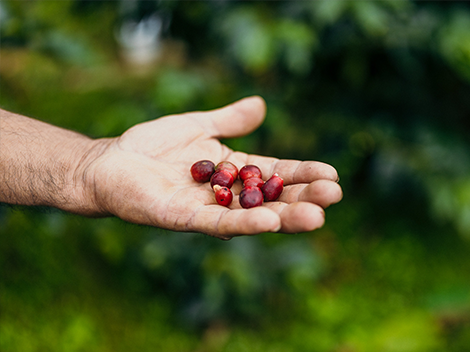
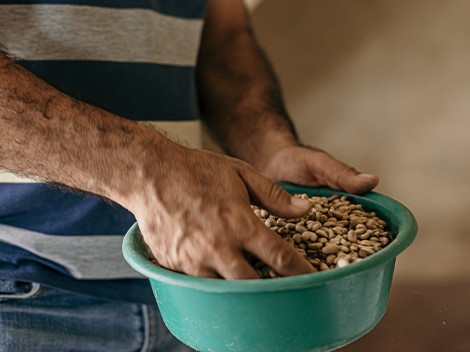
The Bio Arabica co-op represents something of a youth movement in Bolivian specialty coffee, in that the average age of the 45 producers who make up the group is only 30 years old, and the cooperative itself was only founded in 2017. The smallholder farmers who contributed to this lot grow on an average of 4 hectares apiece. The group has been working to improve production quality and volume since 2014, while maintaining sustainable practices with a particular focus on planting shade trees, which are also used for timber, bananas, and citrus.
| Country of Origin | Bolivia |
|---|---|
| Region | Caranavi |
| Producer Type | Cooperative |
| Farm Name | 45 smallholders |
| Co-Op | Cooperativa Agropecuaria Bio Arabica R.L. |
| Processing | Washed |
| Processing Description | Sun-dried on raised beds |
| Growing Altitude | 1200m – 1650m |
| Harvest Season | 2022/23 |
|---|---|
| Bag Weight | 70 KG BAG |
| Bag Type | Grain Pro / Ecotact |
| Plant Species | Arabica |
| Variety | Catuai, Caturra, Typica |
| Certifications | FLO Fairtrade Certified, Organic certified |
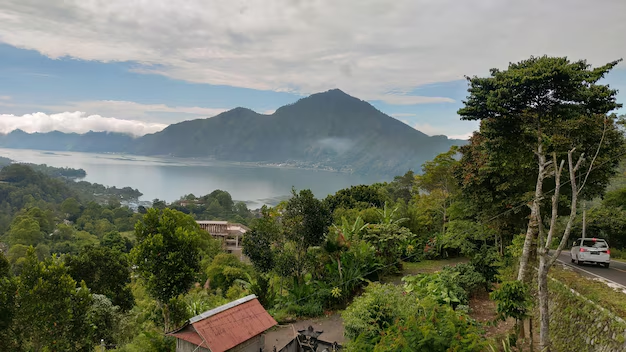
While production can be traced back to the 1920s, Bolivian coffee is not as widely known as others in the South American region. As a land-locked country, Bolivia has faced many challenges when it came to exporting its coffee. Its underdeveloped infrastructure meant that transporting coffee from the mountainous terrain around the capital city of La Paz to the seaports in Chile or Peru can be difficult, but Bolivia is an “emerging” specialty origin that roasters should an keep an eye on.
Approximately 95% of Bolivia’s coffee is grown in the Yungas, a region on the eastern slopes of the Andes known for its ideal coffee-growing climate that includes high elevation and consistent wet/dry seasons. Other coffee-producing districts in Bolivia include Caupalicam, Espiritu Santo, and Valle Grande. Most Bolivian coffee is grown approximately 2,600–7,500 feet above sea level, is virtually all washed coffee, and growers are typically smallholders and cooperatives. The types of coffee plants that are found in Bolivia include Typica, Caturra, and Catuai species.
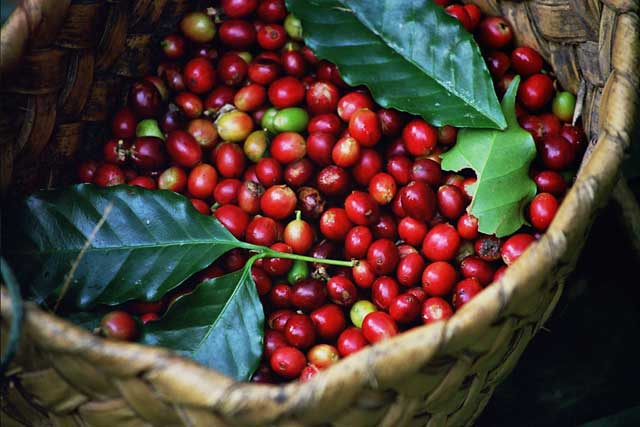
Coffee has deep roots in Uganda, with robusta beans growing wild around Lake Victoria long before colonial times. While Ugandans traditionally used these beans for cultural rituals, commercial coffee farming only took off during British colonial rule in the early 20th century. The British saw potential in Uganda’s fertile soils and introduced Arabica coffee in the highlands, while promoting robusta across the country. After independence in 1962, coffee became Uganda’s leading export, despite disruptions during periods of political instability. A revival in the 1990s, driven by the Uganda Coffee Development Authority, transformed Uganda into one of Africa’s top coffee producers, renowned for its high-quality robusta and specialty Arabica beans.
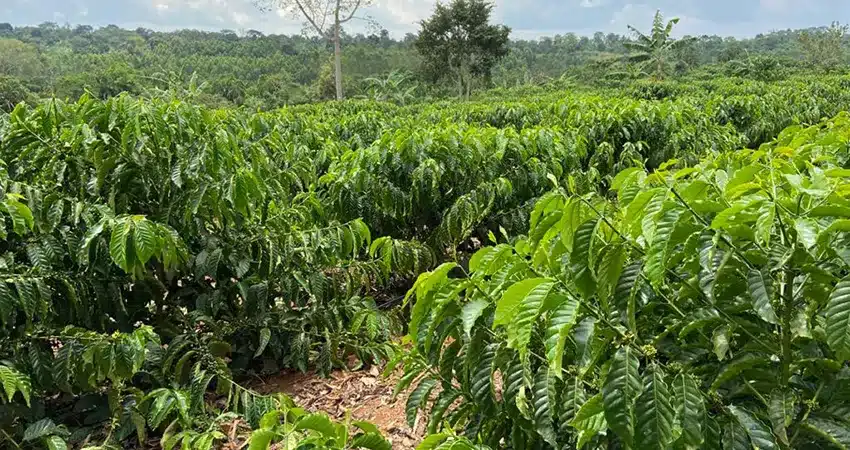
In Uganda, the most ideal conditions for Arabica coffee cultivation are found in the high-altitude regions of Mount Elgon in the east and the Rwenzori Mountains in the west. These areas, with elevations ranging from 1,300 to over 2,300 meters above sea level, provide the cool temperatures and rich volcanic soils that Arabica coffee thrives on. Uganda produces both washed and naturally processed coffees, and in recent years, experimental methods like honey processing have also gained traction. The country grows a variety of Arabica coffee strains, including SL14, SL28, and Blue Mountain, with specialty coffee grades ranging from AA, AB to Peaberry, known for their distinct flavors and high quality.
Consistency is essential in sample roasting, but the timing of the first crack can vary from batch to batch. To ensure optimal results, use this guide to determine the ideal moment to end your roast based on how long it took to reach the first crack.